 The Sourdough
Gear
Sourdough gear guides
You need less than the shops suggest. A jar, a scale, flour and water will get you to your first loaf. Everything else is worth buying only when it fixes a problem you actually have.
How these guides work. We bake at home in Timaru, but we haven't run hands-on or side-by-side tests of the products in these guides. Picks are based on design, published specifications and widely shared baker experience, and we don't use star ratings or "best overall" badges. Where a guide links to a shop and we know where it ships, the link says so, for example "US only". Some shop links are affiliate links. See our affiliate disclosure and how we check our guides. Shop labels last checked 18 October 2026.
The short list
Buy in this order, and stop when your bread is where you want it. Each link goes to the part of the guide that explains why.
Before your first loaf
A straight-sided glass jar, a digital scale (about 5 kg capacity, 1 g steps) and bread flour with a little wholemeal or rye. Starter kit essentials →
Once you bake most weeks
A lidded pot for steam (a cast-iron Dutch oven or a combo cooker), a round banneton of about 23 cm, and a simple lame. Until then, a floured tea towel in a bowl stands in for the basket, and a very sharp knife will do in a pinch for scoring.
Only if it fixes a problem
A proofing box or heat mat for a cold kitchen, a 0.1 g pocket scale for small amounts, or a bread pan if you bake oblong loaves often.
Not buying anything yet? Print our free sourdough starter checklist. No email or sign-up needed.
Start with these
Enough to grow a starter and bake your first loaf.
-

Getting Started
- Beginner-friendly
Sourdough Starter Kit: What You Actually Need (and What You Can Skip)
Build a sourdough starter kit that works: the essential tools, the nice-to-haves, what to skip, and whether to buy a ready-made kit or build your own.
Read the guide -

Gear Guide
Best Scale for Sourdough: How to Choose a Digital Kitchen Scale
Why sourdough needs a scale, which features matter (capacity, precision, tare, size), when to add a precision pocket scale, and how to use baker's percentages.
Read the guide -

Ingredients
Best Flour for Sourdough: Bread Flour, Wholemeal, Rye and NZ High Grade
How protein, whole grains and milling affect sourdough, which flour to use for your starter and loaves, and what to buy in NZ (high grade vs strong flour).
Read the guide
For baking day
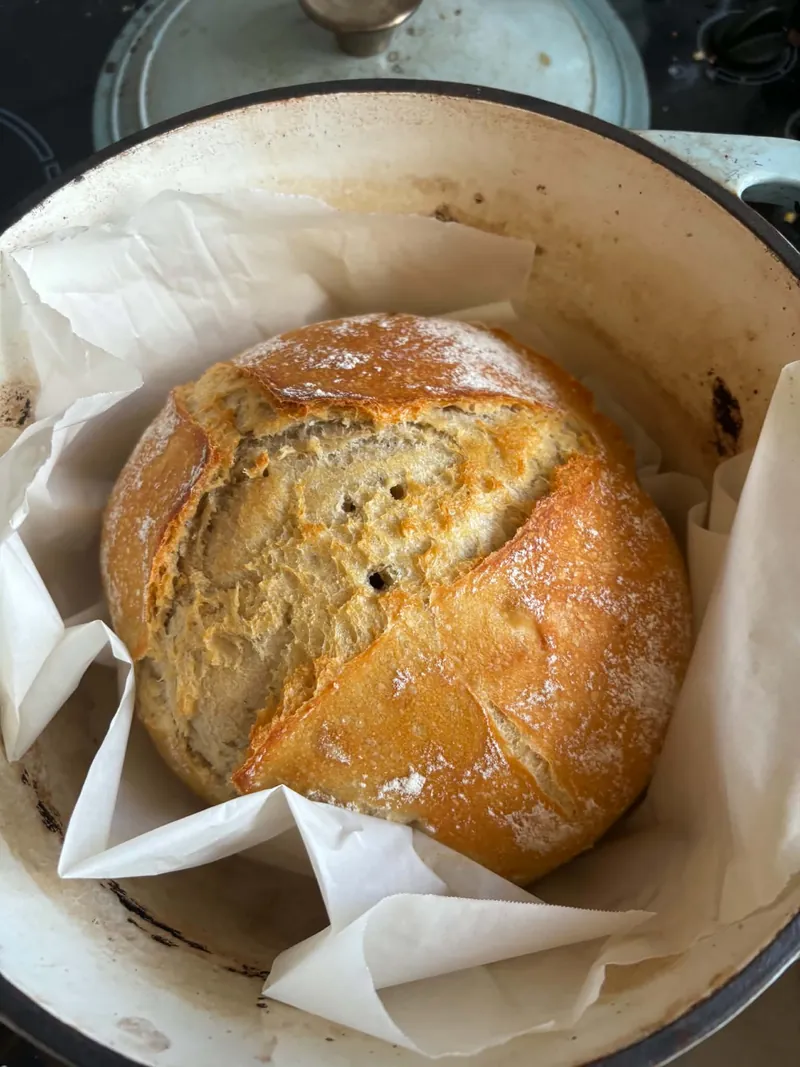
A covered pot, a basket for the final rise and a blade for scoring.
-
Gear Guide
Best Dutch Oven for Sourdough: How to Choose (Budget to Premium)
What makes a Dutch oven good for sourdough, the key features to compare, and the types of bakers each style suits, from budget cast iron to bread pans.
Read the guide -

Gear Guide
- Beginner-friendly
Best Banneton for Beginners: How to Choose a Proofing Basket
How to pick your first banneton: size, shape, material and liners explained, plus how to prep it, stop dough sticking and keep it clean.
Read the guide -
Gear Guide
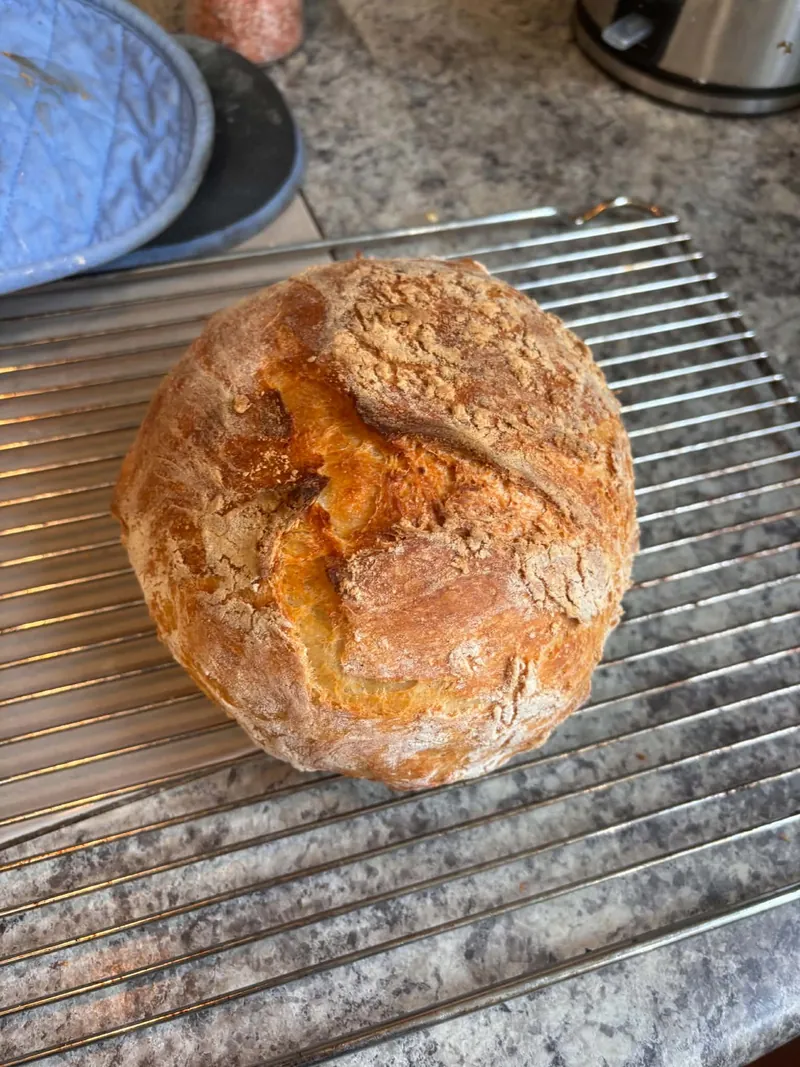
Best Bread Lame: How to Choose a Scoring Tool for Sourdough
Curved or straight, fixed or replaceable blades, wooden handle or magnetic: how to choose a bread lame, how to score well, and how to stay safe.
Read the guide -

Gear Comparison
Challenger Bread Pan vs Lodge Combo Cooker: Which Should You Buy?
A side-by-side look at the Challenger Bread Pan and the Lodge Combo Cooker for sourdough: shape, capacity, loading, weight, versatility and who each one suits.
Read the guide
For cold kitchens
Steady warmth matters more than any gadget.
-

Gear Guide
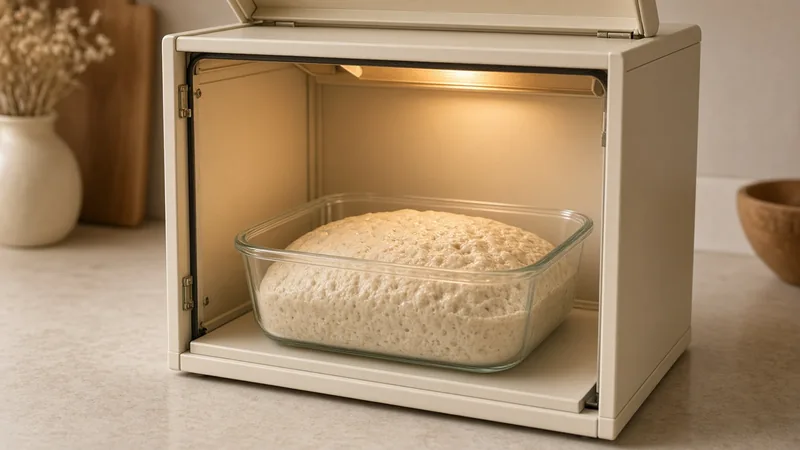
Sourdough Proofing Box vs Oven-Light Proofing: Is a Proofer Worth It?
How a sourdough proofing box works, how it compares with the oven-light trick and other DIY warm spots, and who actually benefits from buying one.
Read the guide -
Troubleshooting
Sourdough in Winter: Cold-Kitchen Temperature, Timing and NZ Seasons
Making sourdough in winter: a °C temperature chart, warm spots for a cold kitchen, starter and water tweaks, and how NZ seasons change your timings.
Read the guide
Buying from outside the US? Where-to-buy notes
- Shop labels. A small label next to a shop link says where that shop ships, for example "US only" or "ships to NZ". We last checked them on 18 October 2026. Shipping rules change, so confirm at checkout.
- Currency. Overseas shops usually show prices in their own currency. Compare the final total, with shipping, in your own currency before you buy.
- In New Zealand. Overseas shops that are registered for NZ GST add 15% GST at checkout on goods worth NZ$1,000 or less (Inland Revenue). On dearer items, GST and duty may be collected when the parcel arrives (NZ Customs). Some shops say instead that duties and taxes are paid to the courier on delivery, so read the shop's shipping page.
- Heavy gear. Cast iron is expensive to post, so a local stockist can work out cheaper overall. Some brands run their own New Zealand stores: Lodge Cast Iron NZ (the brand's official New Zealand store) and Brod & Taylor NZ (the brand's New Zealand store, which sells the Folding Proofer). We don't earn anything from those links.