 The Sourdough
 Troubleshooting
Sourdough in a Cold Kitchen (and a Warm One): Temperature, Timing and NZ Seasons
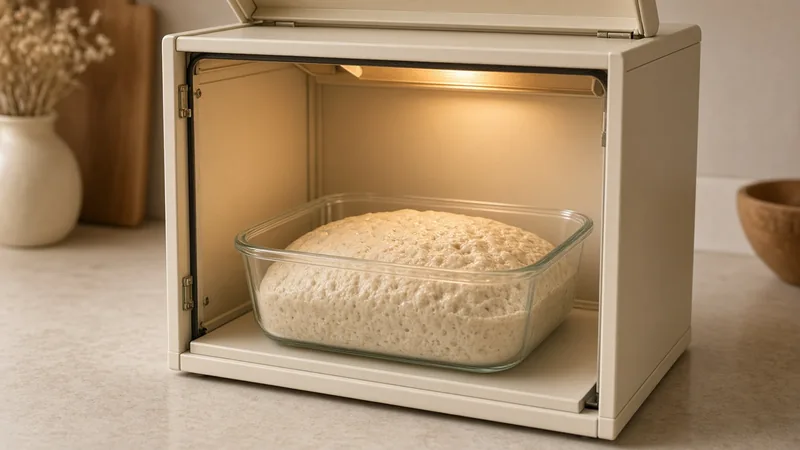
If your recipe says bulk fermentation takes five hours and yours is still flat after eight, the recipe probably isn't wrong. Your kitchen is just colder than the writer's. Temperature is the biggest single reason the same sourdough recipe behaves differently from house to house, and from season to season.
What temperature does to sourdough
Yeast and bacteria slow down as they cool and speed up as they warm. Roughly:
| Dough temperature | What tends to happen |
|---|---|
| Below about 20°C (68°F) | Everything is slow. Bulk can stretch to 8–12 hours or more, and starters may take most of a day to peak. |
| About 24–26°C (75–79°F) | The range many recipes assume. Timings in most recipes, including our basic loaf, are written around here. |
| Above about 28°C (82°F) | Fast and easy to overshoot. Dough can over-ferment while you're out, and turns slack and sticky. |
These are typical ranges, not exact rules. The dough's own temperature matters more than the room's, so a cheap probe thermometer is one of the most useful tools you can own.
New Zealand seasons
In much of New Zealand, unheated kitchens can run cool from late autumn through winter (roughly May to September), especially overnight. Summer (December to February) brings the opposite problem in warmer regions: dough that races ahead. If your loaves change through the year, the season is the first thing to suspect.
In a NZ winter, an unheated kitchen overnight can easily sit well below the 24°C most recipes assume. That's the situation this guide is written for.
Practical warm spots in a cold kitchen
Check any spot with a thermometer first; aim for about 24–27°C.
- Oven with only the light on. Often warm enough, sometimes too warm. Leave a note on the door so no one preheats it with your dough inside.
- Near (not on) a heat pump or heater outlet. Watch for hot, drying air.
- On top of the fridge or near a hot water cylinder. Gentle, steady warmth in many homes.
- A chilly bin (cooler) with a jar of hot water. Swap the water every few hours.
- A proofing box or a seedling heat mat with a thermostat. The most controllable options; compared in our proofing box guide.
Adjusting your starter in cold and warm weather
- Cold kitchen: use a smaller feed ratio such as 1:1:1 so the starter peaks sooner, feed with warm water (about 27–30°C), and add a little whole wheat or rye for extra activity.
- Warm kitchen: use a larger ratio such as 1:3:3 or 1:5:5 to slow it down, and cooler water.
- Either way: use the starter near its peak. See sourdough starter not rising if it won't get there.
Warm or cool your water: the desired dough temperature formula
Bakers control dough temperature through the one ingredient that's easy to change: the water. The usual home-baker version of the desired dough temperature formula is:
Water temperature = (DDT × 4) − (room temp + flour temp + starter temp + friction)
- DDT is your target dough temperature, often about 25°C.
- Friction is the heat added by mixing. For hand mixing, many bakers use a small figure, about 1°C; machine mixing adds more.
Example (cool kitchen): target 25°C, room 18°C, flour 18°C, starter 20°C, friction 1°C. Water = 100 − 57 = 43°C.
Two cautions. Very hot water can harm the starter if they touch directly, so mix the water into the flour first. And in a very cold kitchen the formula can ask for water hotter than about 40–45°C; rather than going hotter, use warm water and move the dough somewhere warmer.
If you can't warm the kitchen: work with the cold
- Give it time. Plan longer bulk ferments and judge by the dough (about 50–75% rise, domed, jiggly), not the clock.
- Use more starter. Raising starter from 20% to 25–30% of the flour weight speeds things up.
- Lean on the fridge. Long, cold steps fit around a busy day. See our tip on pausing bulk in the overproofed vs underproofed guide.
Frequently asked questions
What temperature is too cold for sourdough?
There's no hard cutoff; fermentation just slows. Below about 20°C it often becomes slow enough that timings in typical recipes stop making sense, so plan longer or find a warmer spot.
Why does my sourdough rise so fast in summer?
Warmth speeds up the yeast and bacteria. Use cooler water, a larger starter feed ratio or less starter in the dough, and check on bulk fermentation earlier.
Can I proof sourdough near a heater?
Yes, if the spot stays warm rather than hot. Check with a thermometer, cover the dough so it doesn't dry out, and keep it out of direct hot air.