 The Sourdough
 Nutrition
Is Sourdough Bread Healthy? What the Evidence Actually Says
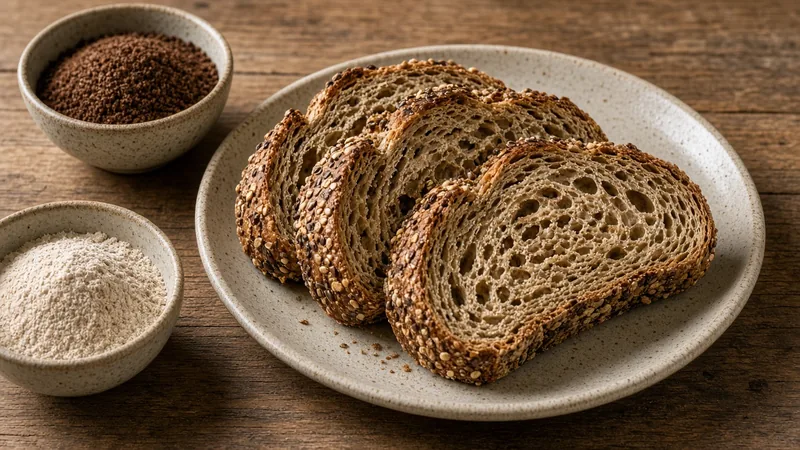
"Is sourdough bread good for you?" is one of the most common sourdough questions people search for. The honest answer is: sourdough can be a reasonable bread choice, but it isn't a health food, and many popular claims go further than the evidence.
This article is general information, not medical or dietary advice. We're home bakers, not dietitians. If you have coeliac disease, diabetes, IBS or another health condition, talk to your doctor or a registered dietitian.
What makes sourdough different
Traditional sourdough is leavened by a starter containing wild yeasts and lactic acid bacteria, and it usually ferments for many hours. That long fermentation changes the dough in a few ways: it makes it more acidic, and it breaks down some of the starches, proteins and other compounds in the flour.
One important catch, noted by Consumer Reports: many commercial "sourdough" loaves are made faster, with added yeast and sour flavourings, so they may not have gone through the same long fermentation. Check the ingredients list.
Is sourdough gluten-free?
No. Sourdough made from wheat, rye, barley or spelt still contains gluten. Fermentation may reduce gluten somewhat, but not enough to make regular sourdough safe for people with coeliac disease (Healthline; Cleveland Clinic). Gluten-free sourdough does exist, but it's made from gluten-free flours such as rice, sorghum or buckwheat, and it needs to be made without cross-contamination.
Does sourdough have probiotics?
Not in a meaningful way once baked. The yeasts and bacteria in the starter are killed by the heat of the oven, as the British Heart Foundation points out. So sourdough isn't a probiotic food like live yogurt.
Blood sugar and glycaemic index
Fermentation can give sourdough a lower glycaemic index than some comparable breads, which means it may raise blood sugar a little more slowly (BHF; Cleveland Clinic). But a systematic review in Advances in Nutrition concluded the evidence is mixed: the effect depends on the flour, the recipe and the rest of the meal. A white-flour sourdough is still mostly refined white flour.
Digestion and FODMAPs
Some people with IBS report that they tolerate long-fermented sourdough better than other breads, and fermentation can reduce some FODMAPs (fermentable carbohydrates, such as fructans) in wheat (Consumer Reports). The same review notes that clinical evidence is still limited. If you're following a low-FODMAP diet, a dietitian can help you work out what suits you.
Is it good for weight loss?
No bread is a weight-loss food on its own. Sourdough has broadly similar calories to other breads made from the same flour. What matters more is the type of flour, the portion and the overall diet.
How to make a more nutritious loaf at home
If you bake your own, a few choices make more difference than the word "sourdough" on its own:
- Use some whole grain flour. Whole wheat, rye or spelt add fibre. The BHF suggests wholemeal is a better everyday choice than white bread. Our flour guide explains how to bake with more whole grain.
- Watch the salt. Bakery breads can be quite salty. At home you control it; about 2% of the flour weight is typical.
- Let it ferment properly. A long, natural fermentation is what makes sourdough distinctive in the first place.
Frequently asked questions
Is sourdough bread healthier than white bread?
It can have a lower glycaemic index than ordinary white bread, but a white sourdough is still made mostly from refined flour. A whole grain sourdough has a stronger case.
Is sourdough good for diabetics?
Its lower glycaemic index may make it a better bread choice than some others, but evidence is mixed and portions still matter. People with diabetes should get advice from their healthcare team.
Is sourdough vegan?
Traditional sourdough is made from flour, water and salt, so it's usually vegan. Some enriched sourdoughs contain milk, butter, eggs or honey, so check the ingredients.